





Solder Paste
18 products
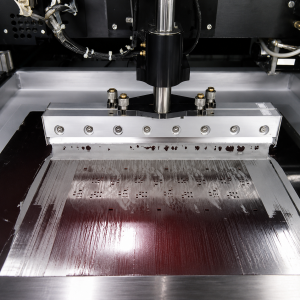
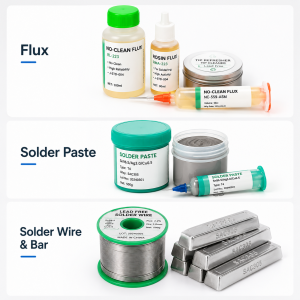
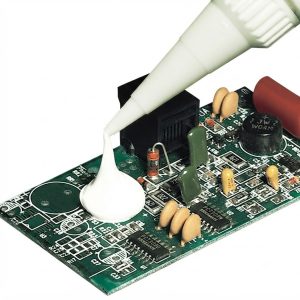
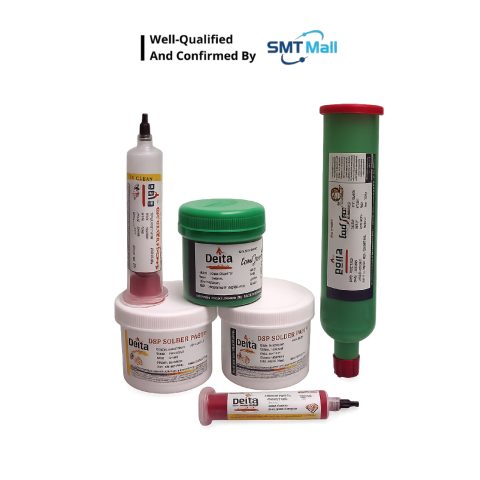
SMT solder paste is a blend of solder alloy powder and flux that is printed through a stencil onto PCB pads before component placement and reflow. The paste you choose affects print definition, wetting, voiding and whether the board needs cleaning after reflow.
Solder paste types in this category
No-clean solder paste (699, 670I, XP692) – low, benign residues that can stay on the board, so no washing step is needed.
Rosin-based lead-free solder paste (215D, 230, DSP 350) – rosin flux systems for robust wetting in general SMT production.
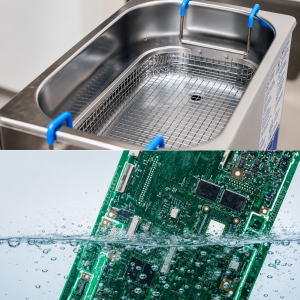
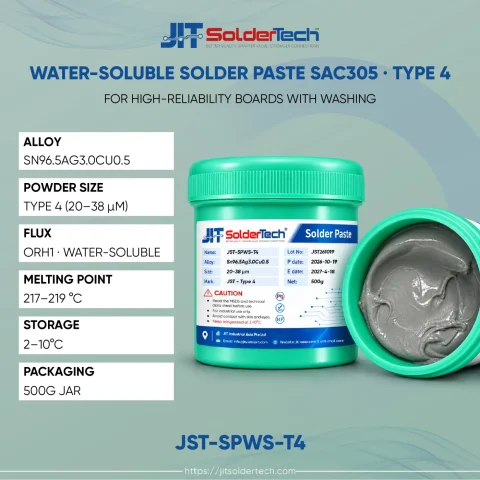
Water-soluble solder paste (769LF, 787LV, 788) – highly active flux for difficult surfaces; residues must be washed off with water after reflow.
Lead-free SAC105 solder paste (JSQSAC105-4A / JSZSAC105-4A) – low-silver alloy for cost-sensitive lead-free assembly.
How to choose a solder paste
Alloy: SAC305 is the common lead-free standard, low-silver SAC alloys reduce material cost, and Sn63Pb37 remains in use where leaded solder is still permitted.
Powder size: Type 3 suits most boards; Type 4 and finer are used for fine-pitch parts and small passives.
Flux type: match it to your process – no-clean if you do not wash, water-soluble if boards go through a cleaning line.
Handling: check stencil life, tack time and storage temperature on the datasheet; most pastes are stored refrigerated.
Related: solder wire & bar, flux and reflow ovens. Send a quote request with your alloy, powder type and jar or cartridge size.
Solder paste FAQ
What is the difference between no-clean and water-soluble solder paste?
No-clean solder paste leaves a small amount of benign residue that can stay on the board, so no washing step is needed. Water-soluble solder paste uses a more active flux that wets difficult surfaces well, but its residue is corrosive and must be washed off with water after reflow. Choose no-clean if you do not have a cleaning line, and water-soluble if your boards are washed anyway.
Which solder alloy should I choose: SAC305, SAC105 or Sn63Pb37?
SAC305 is the most widely used lead-free alloy and a safe default for RoHS products. Low-silver alloys such as SAC105 reduce material cost but have a slightly higher melting range. Sn63Pb37 is a leaded eutectic alloy with a lower reflow temperature and is only used where lead is still permitted, for example some industrial, military or repair applications.
What powder size (Type 3, 4 or 5) do I need?
Type 3 powder suits most SMT boards with standard pad sizes. Type 4 is recommended for fine-pitch components, 0201 passives and small stencil apertures. Type 5 and finer are used for ultra-fine pitch and micro-components. A common rule is that at least five powder particles should fit across the smallest stencil aperture.
How should solder paste be stored?
Most solder pastes are stored refrigerated, typically between 0 and 10 °C, and must not be frozen. Before use, let the jar or cartridge reach room temperature for several hours without opening it, to avoid moisture condensation. Always follow the shelf life, stencil life and storage conditions on the product datasheet.
Can I get a datasheet, SDS or sample before ordering?
Yes. Send a quote request from the product page or contact our team with your alloy, powder type and package size. We can share the technical datasheet and SDS and advise on availability of samples for process trials.